
Ultimate Selection Of Concrete Leveling Products For Every Job
Find the most versatile and reliable products to achieve smooth, level concrete surfaces with confidence and ease.
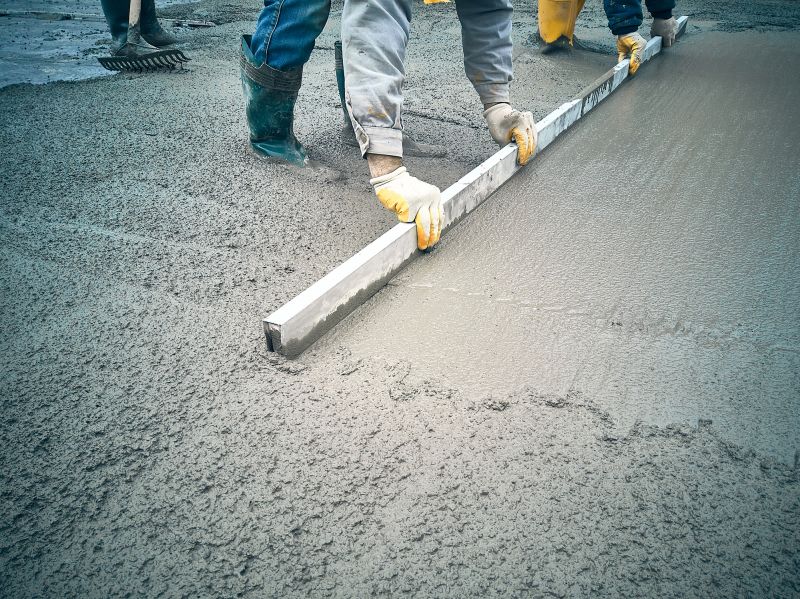 Concrete leveling is a vital process for maintaining the stability and safety of various surfaces around residential and commercial properties. Over time, concrete slabs can settle, crack, or develop uneven spots due to soil movement, weather conditions, or improper installation. Addressing these issues promptly can prevent further damage and improve the overall appearance and functionality of walkways, driveways, patios, and flooring. There are numerous products available designed specifically for concrete leveling, ranging from DIY solutions to professional-grade materials.
Top Overall Option
Self-Leveling Concrete Compound
A versatile and user-friendly option suitable for a wide range of leveling applications. This type of compound typically features easy mixing and application, providing a smooth, durable surface that can be finished with minimal effort. Ideal for filling cracks, smoothing uneven surfaces, and preparing floors for finishing work, it is often favored for its straightforward use and reliable results.
Types of Products For Concrete Levelings
Self-Leveling Concrete Pours
Pre-mixed or dry mix compounds designed for quick and easy pouring to create smooth, level surfaces.
Polyurethane Foam Injectors
Specialized foam injections used to lift and stabilize sunken slabs with minimal surface disruption.
Concrete Patching Mixes
Ready-mixed or powder blends formulated for filling cracks and minor surface imperfections.
Hydraulic Cement
Heavy-duty cement used for repairing deep cracks and structural repairs in concrete surfaces.
Epoxy Concrete Repair Kits
High-strength epoxy formulations suitable for bonding and filling damaged areas with a durable finish.
Polymer Modified Mortars
Flexible mortars that adapt to slight movements, ideal for areas prone to shifting.
Liquid Leveling Agents
Fluid additives that enhance the flow and leveling properties of repair mixes.
Underlayment Products
Materials used beneath concrete slabs to provide a stable, even base for leveling.
Quick-Set Repair Compounds
Fast-curing products designed for rapid repairs and minimal downtime.
Curing Compounds
Products that help maintain proper moisture levels during curing to ensure strength and durability.
Concrete Resurfacing Products
Thin overlays that restore the appearance and surface integrity of worn or damaged concrete.
Expansion Joint Fillers
Materials used to fill and seal expansion joints to prevent debris intrusion and cracking.
Popular Choices
Widely used for lifting sunken slabs, offering a minimally invasive repair option.
Commonly applied for smoothing floors before finishing layers.
Popular for sealing and filling cracks to prevent further deterioration.
Favored for quick repairs in high-traffic areas.
Used for resurfacing and restoring the surface of worn concrete.
Effective for structural crack repairs and bonding applications.
Chosen for their flexibility and adhesion qualities.
Popular for deep crack filling and structural repairs.
Convenient for quick surface restoration over large areas.
Commonly used to prevent joint deterioration and surface cracking.
Ideal for areas subject to slight movements or shifting.
Preferred for projects requiring quick turnaround.
These products typically include self-leveling compounds, polyurethane foam injections, and patching mixes, each suited to different types of repairs and surface conditions. Self-leveling compounds are often used for smoothing out uneven surfaces, providing a seamless finish that can be painted or finished as desired. Polyurethane foam injections are popular for lifting and stabilizing sunken slabs, offering a minimally invasive option that can restore the original height of the concrete.
When selecting products for concrete leveling, it is important to consider the specific needs of the project, including the size and extent of the unevenness, the load-bearing requirements, and the surface material. Proper preparation and application are crucial for achieving durable results, whether performing a DIY repair or hiring a professional. Understanding the different types of products available can help homeowners and contractors make informed decisions, ensuring the longevity and safety of their concrete surfaces.
For those undertaking concrete leveling projects, having the right tools and materials can make a significant difference. From quick-setting patching compounds to advanced foam injection kits, the variety of products allows for tailored solutions to meet diverse needs. Careful consideration of product specifications and compatibility with existing surfaces will contribute to successful repairs and long-term stability.
Key Buying Considerations
- Determine the extent and type of unevenness or damage to select the appropriate product.
- Consider whether a DIY solution or professional intervention is needed based on project complexity.
- Check the curing time and whether the product allows for quick use or requires longer setting periods.
- Assess the surface compatibility to ensure the product adheres well to existing concrete or substrates.
- Identify if the product is suitable for load-bearing areas or structural repairs.
- Review the ease of application, especially if undertaking DIY repairs—some products require specialized tools.
- Examine the environmental conditions during application, such as temperature and humidity, which can affect curing.
- Evaluate the durability and long-term performance expectations of the product.
- Consider the color and finish options if appearance is a priority after repair.
- Look into the safety data and handling instructions to ensure safe application.
- Determine if the product is suitable for interior, exterior, or both types of applications.
- Check for compatibility with existing repair materials or coatings that may be present.
- Review manufacturer instructions for surface preparation requirements before application.
- Estimate the size of the area to be repaired to purchase the correct quantity of product.
- Consider cost-effectiveness in relation to the scope of work and expected longevity.
This content contains affiliate links and may earn a commission at no additional cost to you.